
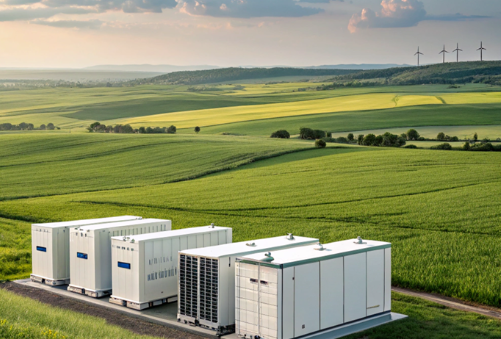
The global energy landscape is undergoing a fundamental transformation. For over a century, our power infrastructure has relied on centralized generation facilities transmitting electricity across vast distances to end users. Today, this paradigm is shifting dramatically toward distributed energy systems, with Energy Storage Systems (ESS) serving as the critical enabler of this revolution. As a leading electrical equipment manufacturer, HIITIO recognizes that this transition represents not just a technological evolution, but a complete reimagining of how we generate, store, and consume electricity.
The rise of distributed energy resources has created unprecedented demand for sophisticated storage solutions. Commercial and industrial energy storage systems are no longer optional components but essential infrastructure that bridges the gap between intermittent renewable generation and consistent power demand. This shift has propelled innovation across the sector, with manufacturers developing increasingly efficient, scalable, and intelligent storage solutions that can operate seamlessly within decentralized networks.
China has emerged as a global leader in this transformation, with domestic manufacturers driving innovation in commercial and industrial ESS technology. The competitive landscape among C&I energy storage suppliers has accelerated technological advancement, resulting in more cost-effective and reliable solutions that are reshaping power infrastructure worldwide. This leadership position reflects both the scale of China’s energy transition and the sophistication of its manufacturing ecosystem.
The Limitations of Centralized Power Infrastructure
Traditional centralized power systems, while effective for decades, face mounting challenges in the modern energy environment:
- Transmission losses: Electricity loses approximately 8-15% of its energy during long-distance transmission, representing significant waste and inefficiency
- Grid vulnerability: Centralized systems create single points of failure, where disruption at major facilities can cascade into widespread blackouts
- Inflexibility: Large power plants cannot quickly adjust output to match fluctuating demand patterns or integrate variable renewable sources
- Infrastructure costs: Maintaining and upgrading extensive transmission networks requires massive capital investment
These limitations have become increasingly problematic as energy demand grows more dynamic and renewable energy penetration increases.
How ESS Enables Distributed Energy Architecture
Energy Storage Systems fundamentally change the economics and feasibility of distributed power generation. By decoupling the timing of electricity generation from consumption, ESS allows renewable energy sources to provide reliable baseload power despite their intermittent nature. Solar panels and wind turbines can generate electricity when conditions are optimal, with ESS capturing excess production for use during peak demand periods or low generation intervals.
At the commercial and industrial level, ESS creates opportunities for energy independence and cost optimization. Facilities can reduce reliance on grid power during expensive peak hours, using stored energy instead. This peak shaving capability not only lowers electricity costs but also reduces strain on transmission infrastructure. Additionally, ESS enables participation in demand response programs, where businesses can monetize their flexibility by adjusting consumption patterns in response to grid needs.
The integration of intelligent energy management systems with ESS has created truly smart distributed networks. These systems continuously optimize energy flows based on real-time pricing, demand forecasts, and grid conditions. The result is a power infrastructure that is more responsive, efficient, and resilient than centralized alternatives.

Infrastructure Implications and Grid Modernization
The proliferation of distributed energy resources supported by ESS requires fundamental changes to grid architecture and management. Traditional grids were designed for unidirectional power flow from central generators to consumers. Modern grids must accommodate bidirectional flows, with distributed resources sometimes feeding power back into the network.
This transformation necessitates:
- Advanced metering infrastructure: Smart meters and sensors provide the real-time data necessary to manage complex distributed networks
- Grid-edge intelligence: Distributed control systems that can make autonomous decisions to balance local supply and demand
- Enhanced cybersecurity: More connection points create additional security considerations that must be addressed through robust protocols
- Regulatory frameworks: Policy structures that fairly compensate distributed energy resources and encourage their deployment
Investment in these enabling technologies is accelerating globally, with grid modernization becoming a priority for utilities and governments alike.
Economic and Environmental Benefits
The shift toward distributed energy infrastructure supported by ESS delivers compelling advantages. Economically, distributed systems reduce the need for expensive transmission upgrades and new centralized generation capacity. They also create opportunities for businesses to generate revenue from their energy assets rather than simply consuming power as a cost center.
From an environmental perspective, ESS-enabled distributed energy accelerates the transition away from fossil fuels. By solving the intermittency challenge of renewables, storage systems make it economically viable to power facilities entirely with clean energy. This reduces carbon emissions while improving local air quality by displacing diesel generators and other polluting backup power sources.
The Future of Power Infrastructure
As battery technology continues advancing and costs decline, distributed energy systems will become increasingly prevalent. The power infrastructure of the future will likely feature a hybrid model, with large renewable generation facilities complemented by widespread distributed resources, all coordinated through intelligent networks with extensive storage capacity.
For manufacturers like HIITIO, this evolution represents both opportunity and responsibility. Developing ESS solutions that are reliable, safe, and cost-effective is essential to enabling this transition. The companies that can deliver innovative storage technologies while maintaining the highest quality standards will play a pivotal role in reshaping global power infrastructure for a more sustainable, resilient, and efficient energy future.
The transformation from centralized to distributed energy is not merely a technical upgrade—it represents a fundamental democratization of power generation and a pathway toward true energy sustainability.
